Access to Justice

Project Brief
CECOEDECON, with support from Just Rights for Children, is running the 'Access to Justice' project in Tonk and Jaisalmer districts of Rajasthan since May 2023. The project is being carried out in 100 villages — 50 villages each in Tonk and Jaisalmer. The main aim of the project is to stop child marriage, child labour, child trafficking, and child sexual abuse. Under this project we wanted to make both districts child marriage-free and to protect the rights of children. Through awareness programs, legal help, and community participation.The project is creating a safe and supportive environment for children. Together, CECOEDECON and Just Rights for Children are working to build a future where children in Tonk and Jaisalmer can grow and live happily, free from exploitation and abuse.
Background
Child marriage is not just an old custom but a serious crime that takes away a child’s right to a happy childhood. Many young girls are forced to marry early and face mental stress, physical problems, and less chance of education, which often leads to domestic violence.
Child marriage causes many problems such as early pregnancy, health issues, malnutrition, drop-out from school, fewer opportunities, domestic violence, and mental health troubles. As per India’s Census 2011, about 12 million children were married before reaching the legal age, and 5.2 million of them were girls. Across the world, child marriage is seen as a crime and a social problem that must be stopped. It is also part of the United Nations’ goals for child safety and gender equality.
Sustainable Development Goals
Under target 5.3 of Goal 5, the Sustainable Development Goals aim to end all harmful practices like child marriage, early and forced marriage, and female genital mutilation by 2025.
According to the National Family Health Survey (2019–21), the rate of child marriage has gone down from 26.8% (NFHS-4) to 23.3% (NFHS-5). Even though the numbers have improved, child marriage is still a big problem in many parts of the country.
Project Activities
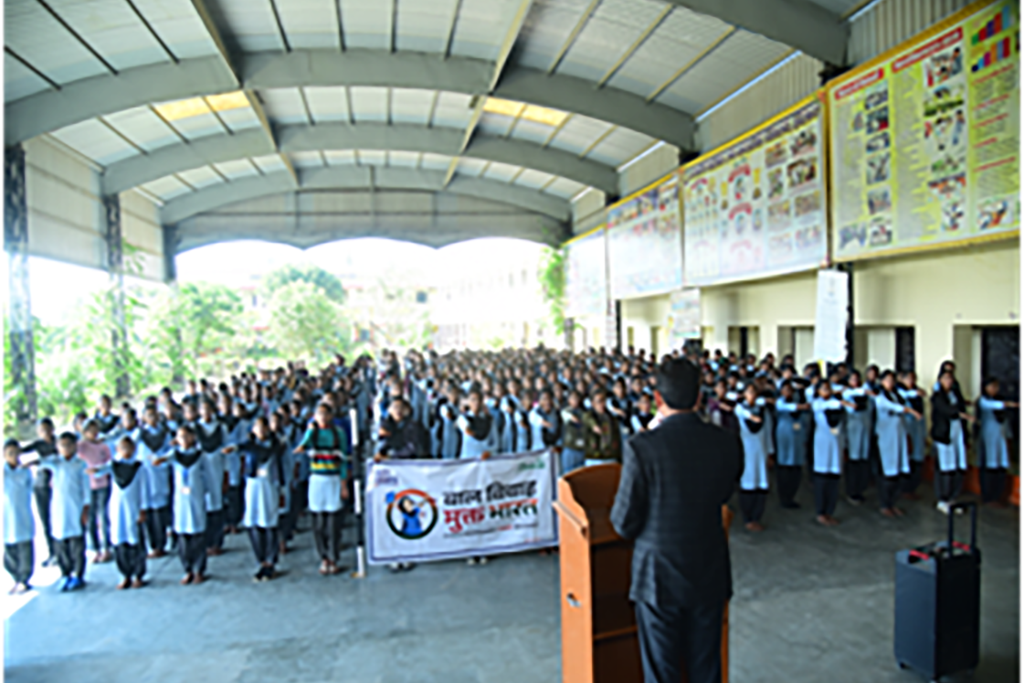
1. Awareness and Community Work- CECOEDECON’s 'Access to Justice' project is running in Tonk and Jaisalmer districts. The project works to stop child labour, child marriage, child trafficking, and child sexual abuse. Awareness programs are being held with families, Anganwadi workers, women’s groups, adolescent girls, teachers, and local organizations. The aim is to help people understand these problems and take steps together to protect children and their rights.
2. Rescue Work and Legal Support- In the last two years, CECOEDECON has rescued over 250 children from different workplaces in Tonk and Jaisalmer. More than 50 FIRs have been filed with the help of AHTU, the Labour Department, and Childline. All rescued children were presented before the CWC and given safe shelter. These efforts show CECOEDECON’s strong work towards making both districts child labour-free.
3. Child Marriage Free India Campaign – 27 November 2024- On 27 November 2024, the 'Child Marriage Free India Campaign' organized a big awareness event in 150 villages. The event was organized with the support of ICDS, women leaders, adolescent girls, teachers, community members, and government officials. Activities included Candlelight and Torch Rallies, Prabhat Ferries, Signature Campaigns, and the book release 'When Children Have Children' by Mr. Dinesh Kumar Jalthuriya (Secretary, DLSA Tonk), and Mr. Naval Khan (Assistant Director, Child Protection Unit and Child Rights Department). The program showed a strong joint effort to stop child marriage through awareness and community participation.
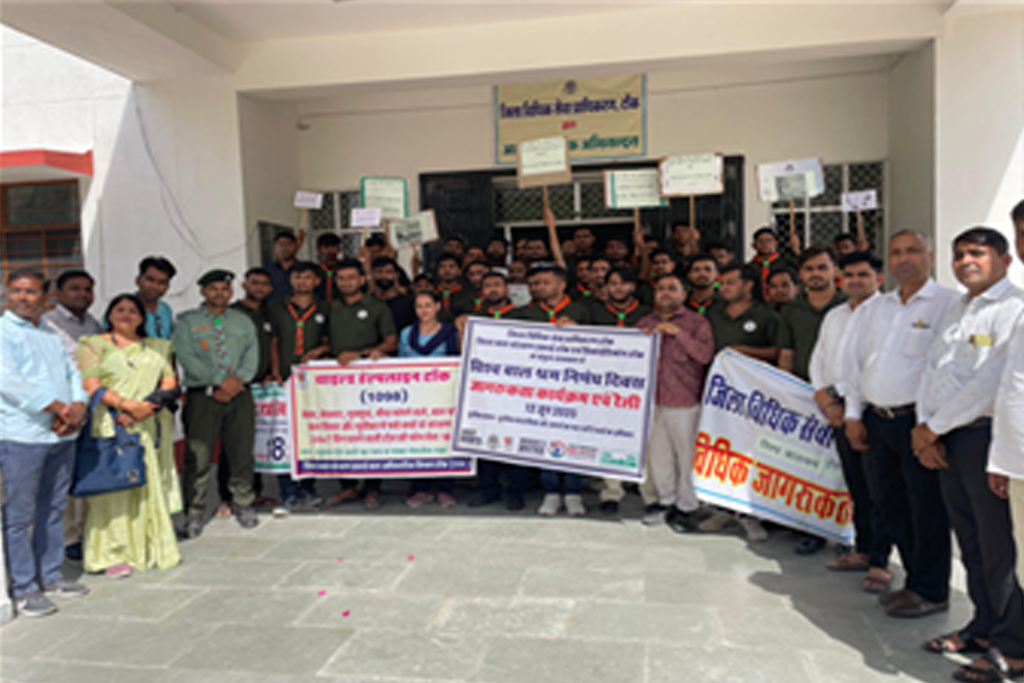
4. Community awareness elimination of child labour, child marriage, child sexual abuse, child trafficking by JagruktaRath.
5. Identification of child labour and children out of school done for admission in school.
6. Parents are required to submit an undertaking, pledging not to marry their daughters before the age of 18 and sons before 21. This commitment serves as a crucial step in preventing underage marriages, aligning with efforts to safeguard the rights and well-being of children. By obtaining this undertaking, a proactive stance is taken to promote legal age-appropriate marriages, fostering an environment that prioritizes the welfare and development of young individuals.
7. Every Mukhiya and Sarpanch has pledged and signed to establish Child Marriage Free Panchayats, demonstrating a unified commitment to eradicate underage marriages and prioritize the well-being of the youth.
8. Child Welfare Protection Committees (CWPC) are established at District, Block, Panchayat, and Ward levels, with a focus on safeguarding children’s rights. These committees underwent capacity-building initiatives to enhance their effectiveness in addressing and preventing issues related to child protection within their respective jurisdictions.
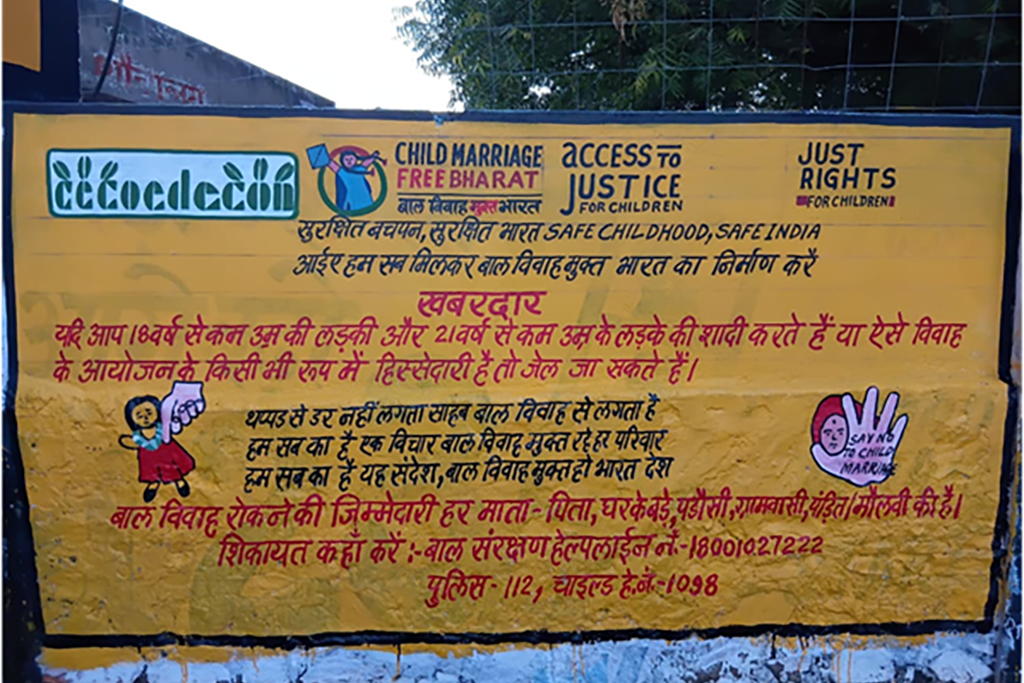
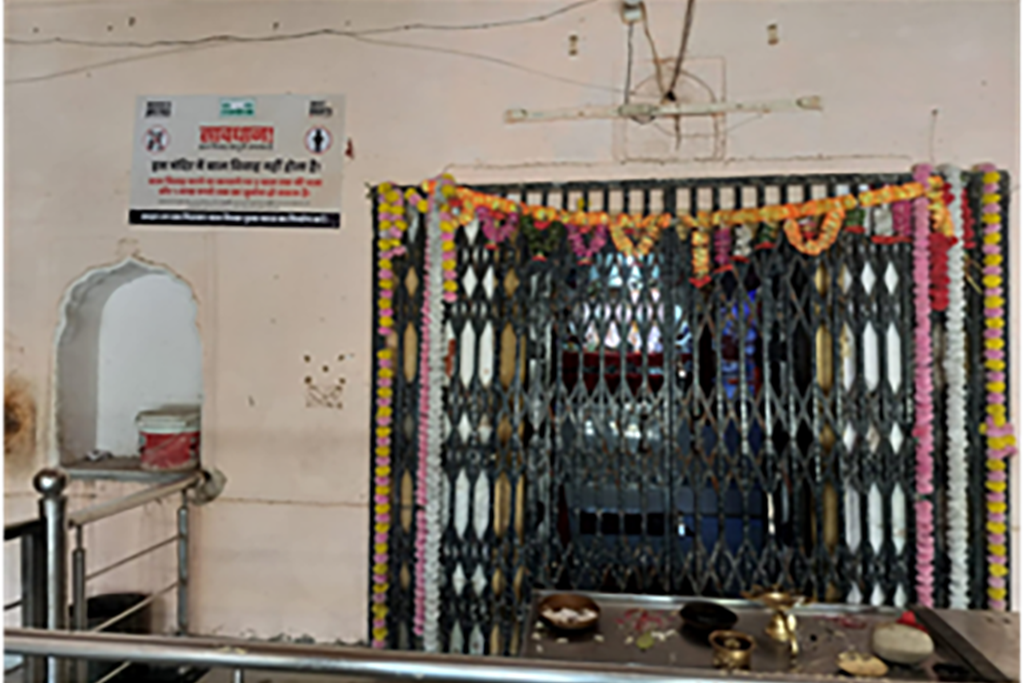
9. Wall writings and hoardings advocating “Child Marriage Free India” adorn significant locations like schools, PanchayatBhawans, water tanks, temples, and mosques. This strategic placement aims to instigate awareness and community engagement, emphasizing the collective commitment to eradicate child marriages and ensure a future where every child can thrive and fulfill their potential.
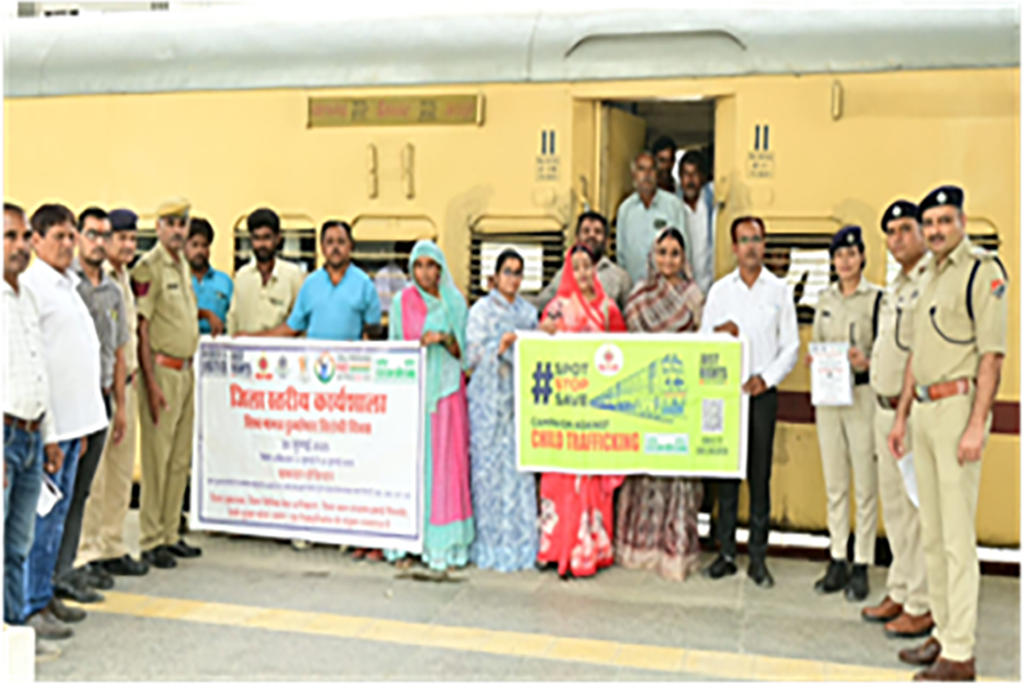
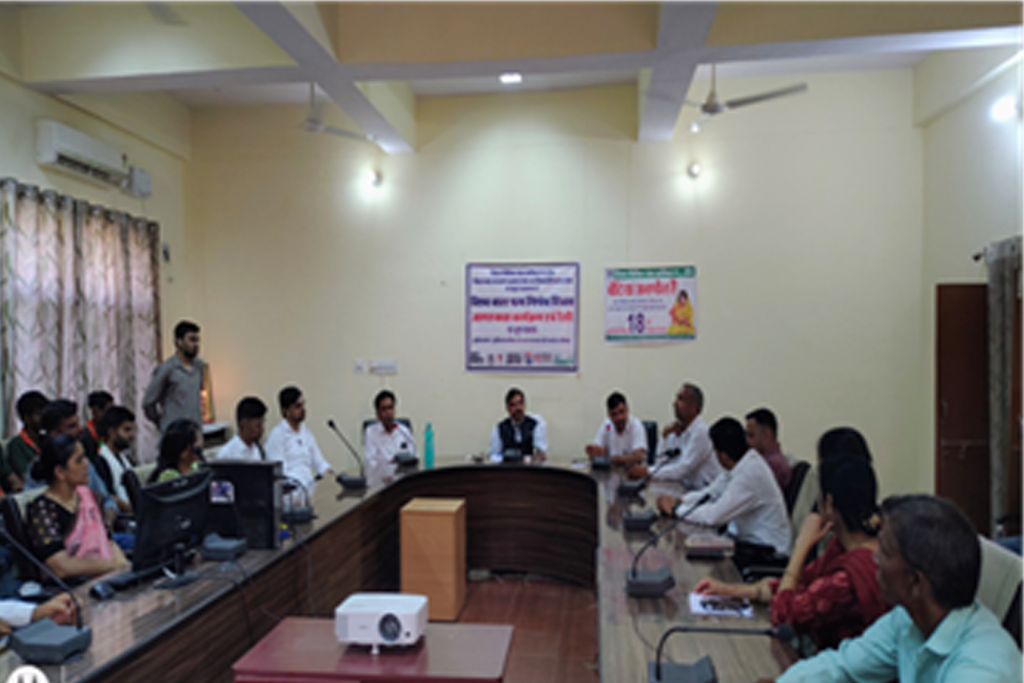
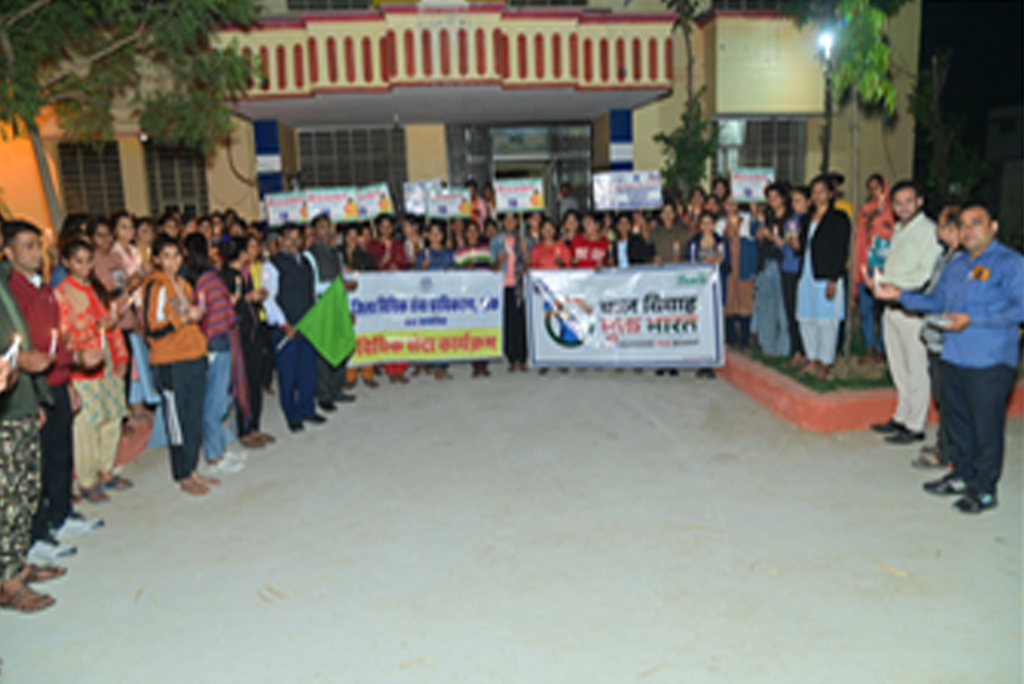
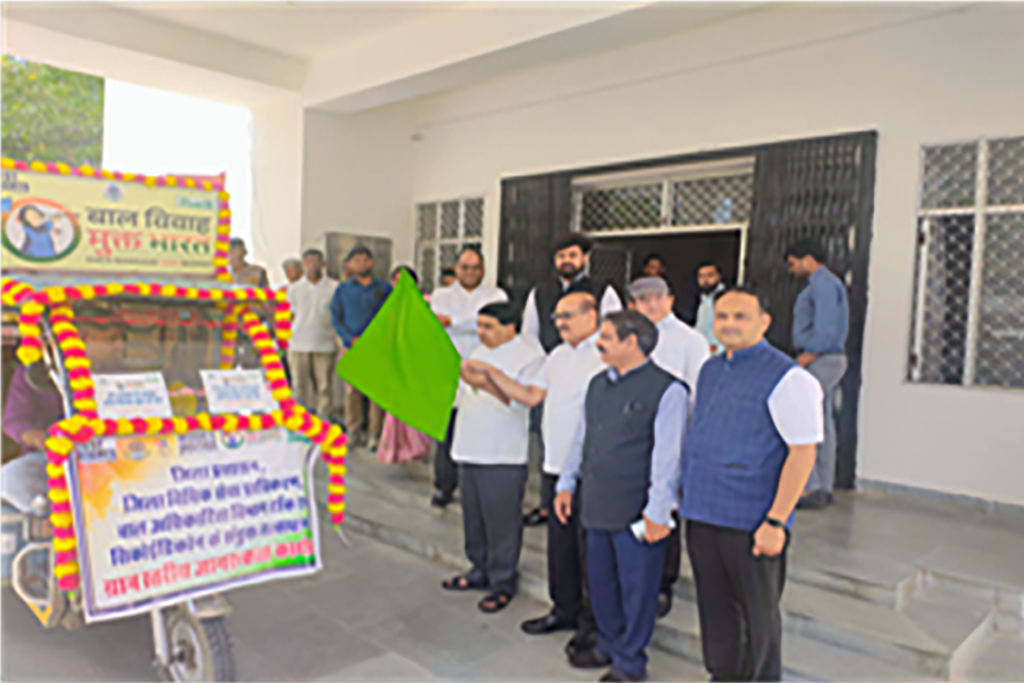
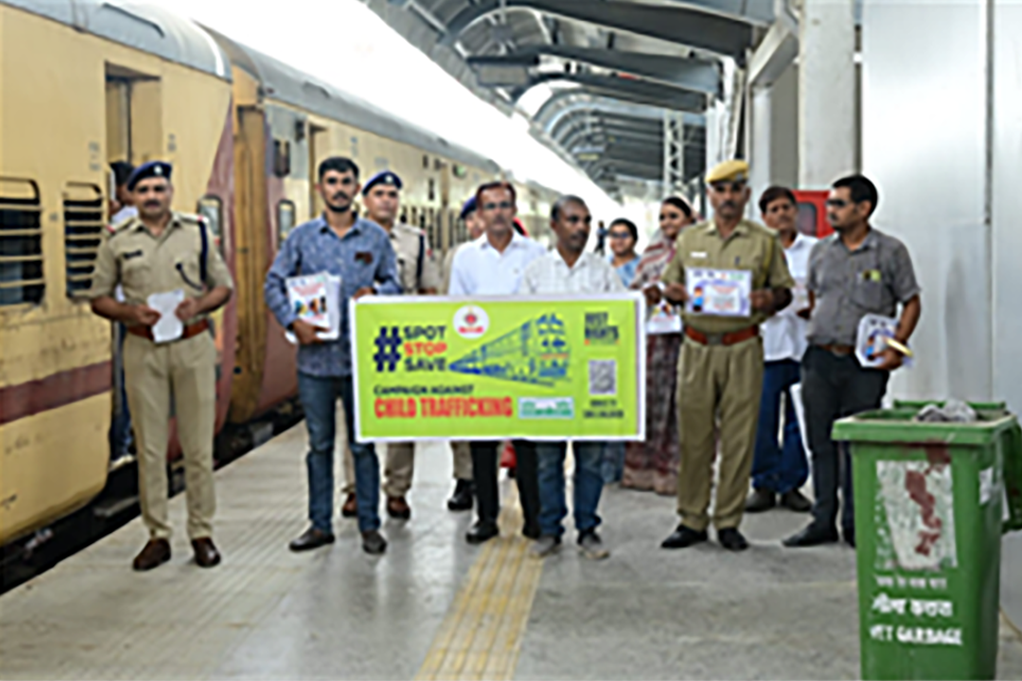
Child Marriage Free India Campaign
Understanding the seriousness of the issue, the Hon'ble Supreme Court of India in W.P. Civil 382 of 2013 pronounced that the sexual intercourse committed by the husband upon his wife being under the age of 18 years with or without her consent can be constituted as rape. To address this, the most definitive and audacious commitment to end child marriage was made with the launch of Child Marriage Free India campaign.
Child Marriage Free India (CMFI) is a nationwide campaign led by women leaders and a coalition of more than 160 NGOs spanning more than 300 districts working to eliminate child marriage in India. CMFI is working to attain the tipping point of child marriage, after which the society does not accept this evil practice and that will happen when the prevalence of child marriage is brought down to 5.5% by 2030, from the current national prevalence rate of 23.3%. This is being done by initially targeting 257 high-prevalence districts and gradually focusing on all the districts of the country.
Child marriage results in child rape, resulting in child pregnancy, and in a large number of cases, may lead to child deaths. For decades, we have been losing generations of our children to child marriage. The Child Marriage Free India campaign has received extended support from various
Departments and Institutions of over 28 States. So far, across India more than 5 crore people have taken the pledge to end child marriage over the last one year through the efforts of the Child Marriage Free India Campaign.
Know more about the Child Marriage Free India (CMFI) Campaign: https://www.childmarriagefreeindia.org/
Child Marriage Free India Campaign
Understanding the seriousness of the issue, the Hon'ble Supreme Court of India in W.P. Civil 382 of 2013 pronounced that the sexual intercourse committed by the husband upon his wife being under the age of 18 years with or without her consent can be constituted as rape. To address this, the most definitive and audacious commitment to end child marriage was made with the launch of Child Marriage Free India campaign.
Child Marriage Free India (CMFI) is a nationwide campaign led by women leaders and a coalition of more than 160 NGOs spanning more than 300 districts working to eliminate child marriage in India. CMFI is working to attain the tipping point of child marriage, after which the society does not accept this evil practice and that will happen when the prevalence of child marriage is brought down to 5.5% by 2030, from the current national prevalence rate of 23.3%. This is being done by initially targeting 257 high-prevalence districts and gradually focusing on all the districts of the country.
Child marriage results in child rape, resulting in child pregnancy, and in a large number of cases, may lead to child deaths. For decades, we have been losing generations of our children to child marriage. The Child Marriage Free India campaign has received extended support from various
Departments and Institutions of over 28 States. So far, across India more than 5 crore people have taken the pledge to end child marriage over the last one year through the efforts of the Child Marriage Free India Campaign.
Know more about the Child Marriage Free India (CMFI) Campaign: https://www.childmarriagefreeindia.org/
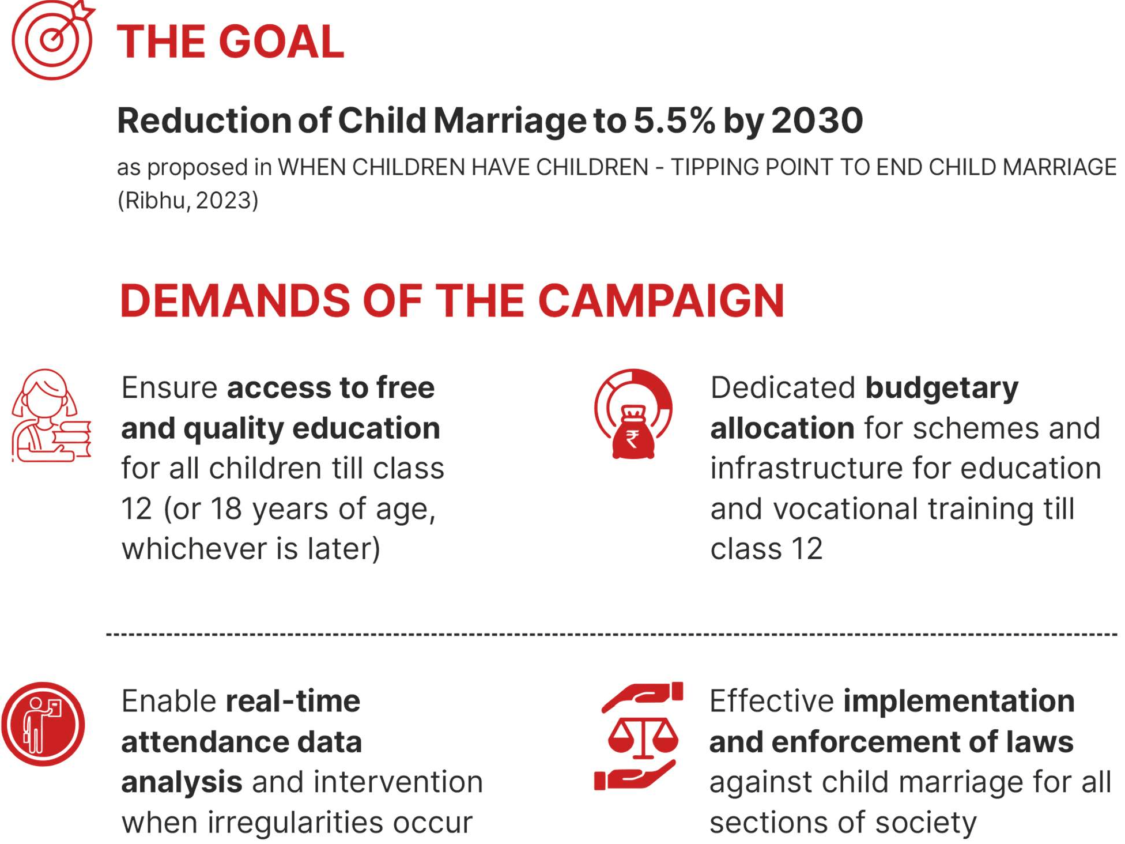
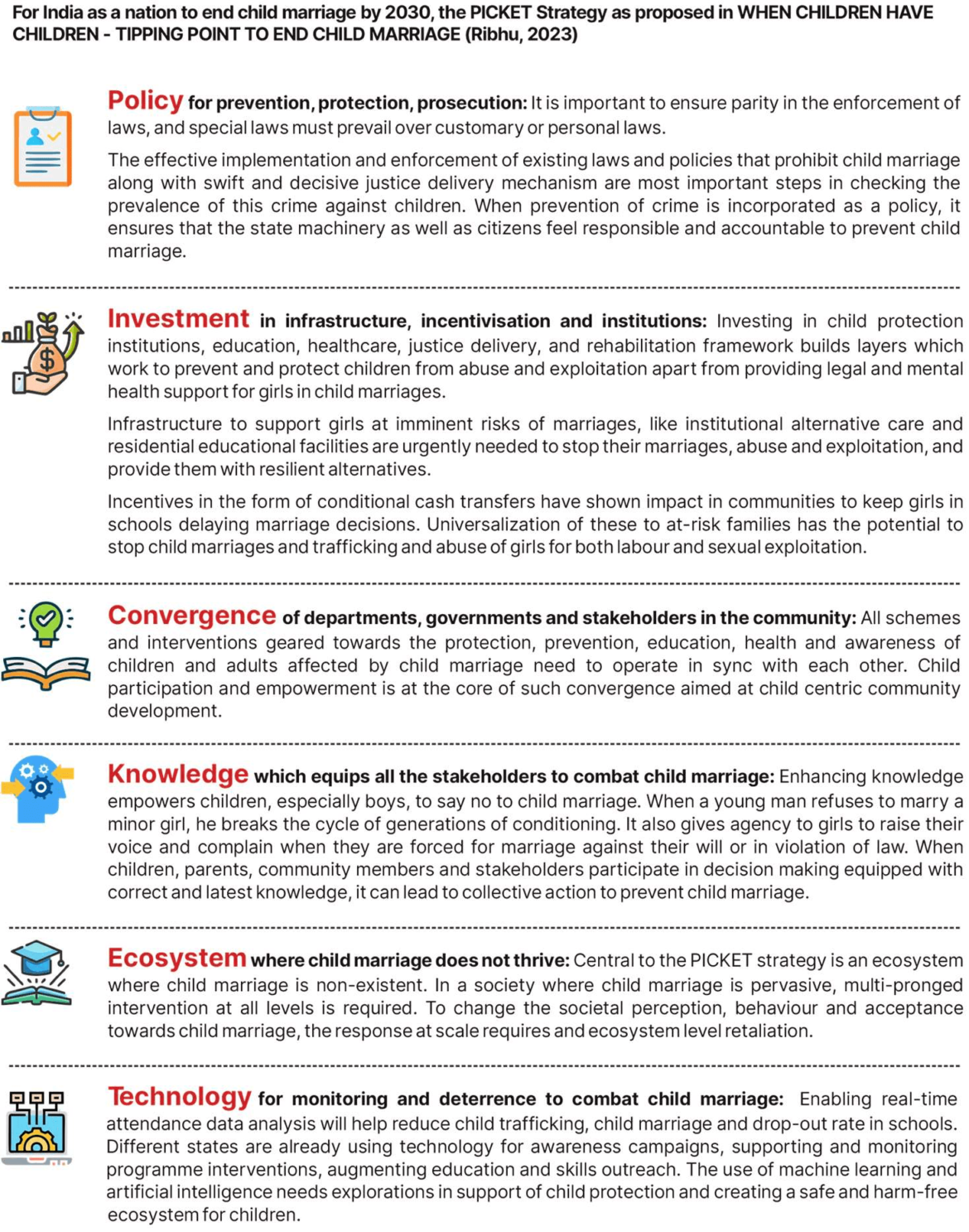
Tipping Point to end child marriage
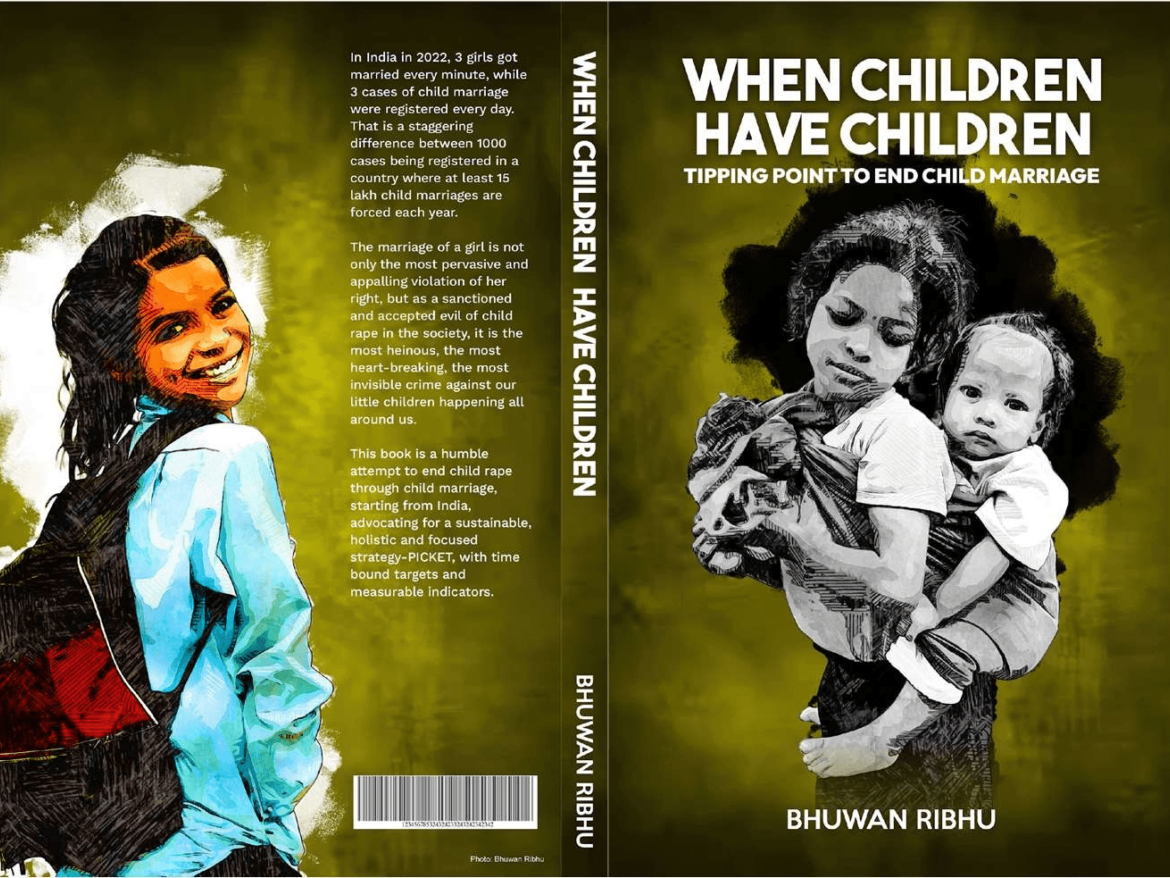
WHEN CHILDREN HAVE CHILDREN - TIPPING POINT TO END CHILD MARRIAGE
Book authored by Mr Bhuwan Ribhu is an action plan to eliminate child marriage in India by 2030. It looks at the existing data on child marriage and lists 257 districts in India where the issue of child marriage is worst, which means where the occurrence of this evil practice is highest as compared to national numbers.
Tipping Point is the threshold required in an ecosystem needed to tilt the scale of the problem towards a point of no-return. The Tipping Point of Child Marriage is the critical point after which the society does not accept child marriage.
Tipping Point Methodology
The aim of reduction of 60 percent of child marriage is assumed to bring down the incidence of child marriage to 5.5 percent in the next nine years from 2021, from the last available estimates i.e., NFHS-5, till 2030. An additional assumption is that such a focused and elaborate intervention against child marriage would have a ripple effect.
In order to reach the Tipping Point, the Author proposes strategy at national and district level.
National Level strategy where Governments, Institutions, statutory bodies, etc. work towards prevention, protection, increased investment, improved prosecution, convergence and use of technology for monitoring
District Level strategy is similar to national level strategy but includes district administration, Panchayats, civil society, NGOs, other functionaries, parents and children who work collectively to prevent, report, and take action against child marriage
Case Study
An effort to prevent child marriages
Place - Tonk, Rajasthan
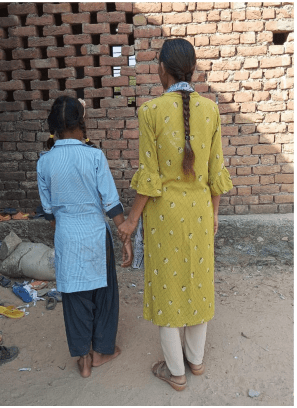
Name - Komal and Anjali (Name Changed in picture) Age - 11 years
Social worker name: Saroj
Komal Gurjar, an 11-year-old girl from a humble background, was unaware of the concept of marriage. Her family was uneducated and bound by rigid social traditions. They believed they were financially weak and felt that they needed to relieve themselves of the responsibility of raising her. Komal's family had no understanding of the importance of girls’ education and healthcare.
In this case, the term "marriage" was foreign to Komal, and her family's perspective was primarily driven by economic concerns rather than the well-being of their child. They were unable to grasp the significance of providing her with education and healthcare. The family made the decision to marry Komal Gurjar. By chance, social worker Mrs. Saroj, associated with the CECOEDECON Organization, was in the village Chavandiya, Malpura for work on the project Access To Justice. According to the daily work plan, she was there for community outreach with local women. During that time, some women started discussing the marriage of Komal Gurjar, who was much younger than 18 years. Social worker Mrs. Saroj overheard the conversation about child marriage and was deeply concerned. She couldn't fathom how Komal, at such a young age, was being married off by her parents. Mrs. Saroj resolved to do whatever it took to stop this marriage.
The very next day, Mrs. Saroj reached the school to meet the young girl, Komal Gurjar. Komal was a third-grade student. When she attempted to inquire about the context of the impending marriage, Komal remained silent. After persistent efforts, Komal finally opened up and revealed her family situation. She explained that she was 11 years old, and her younger sister, Anjali, who was around 8 years old, was also being pushed into marriage.
This revelation shocked Mrs. Saroj, a social worker, who realized the gravity of the situation. It became evident that the family was not only marrying off Komal but also planning the same fate for Anjali. This case highlighted the urgent need for intervention and awareness about child marriage, not only for Komal but for her sister Anjali and other girls facing a similar fate.
After speaking with Komal Gurjar, social worker Mrs. Saroj attempted to seek support from influential individuals in the village to prevent the child marriage. However, she found that neither the community nor any authorities were interested in opposing the practice of child marriage. Just one day before the scheduled marriage, Mrs. Saroj observed that
the police were going to the quarry workers for night monitoring. She immediately informed the Village Child Council official, Sugna, that the police were visiting the laborers. It was anticipated that they would return in about an hour, prompting a wait. When the police returned, Mrs. Saroj and Sugna stopped them and informed them about Komal's impending child marriage. They explained that the marriage of two girls was scheduled for the next day, and it needed to be stopped. The police responded that they didn't have any evidenceat the moment but instructed them to inform the police once the marriage began.
The following day, on May 11, the wedding procession arrived. Mrs. Saroj and the Village Child Council member immediately called the police station and reported the situation. The police swiftly arrived at the scene and took legal action, preventing the marriage from taking place. Saroj and the Village Child Council decided to keep their identities anonymous, but suspicions arose within the girl's family and the community. The girl's family and some members of the community began opposing Saroj's efforts, creating pressure on her.
Even now, Saroj is fearful of potential unforeseen incidents and rarely leaves her house alone in the evening. She believes she has made progress in combating societal wrongs but remains cautious.